Why We Start Below Ground: The Case for Living Soil
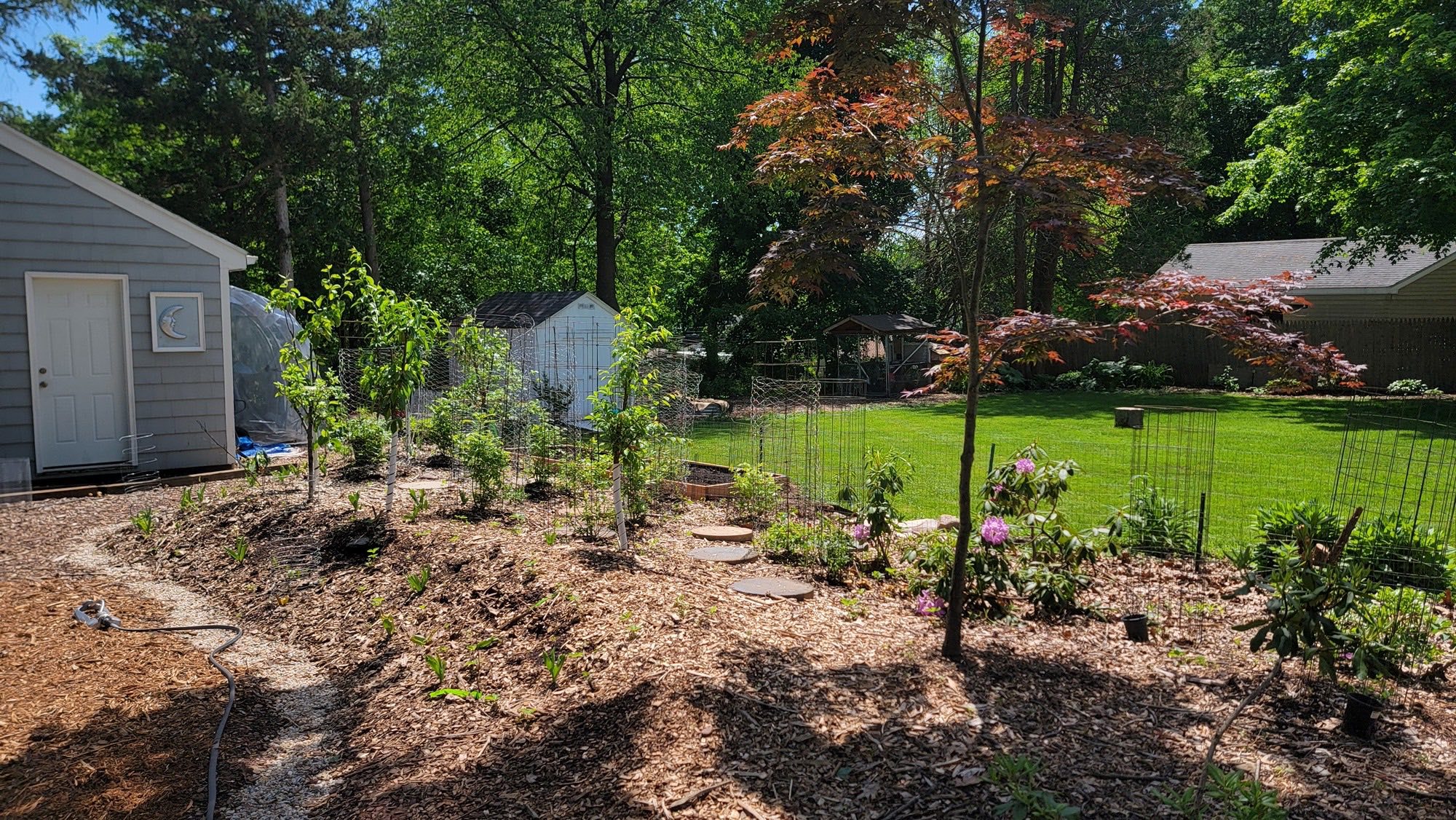
Most landscape failures are soil failures in disguise. The shrubs that never quite establish, the “low-maintenance” planting that needs constant replacement, the lawn that demands chemicals to stay green — in almost every case, the problem started below ground before the first plant went in.
That’s why every Grow Wild project starts with soil, not plants.
Test first, guess never
We begin with comprehensive soil testing: what minerals are present, what’s missing, what’s locked up, and what the biology is doing. Two properties on the same street can have wildly different soil stories — glacial Connecticut makes sure of that.
Testing turns landscaping from guesswork into diagnosis. Instead of “add fertilizer and hope,” we know which minerals to balance and why — and just as often, we learn the soil needs biology, not chemistry.
Feed the soil, not the plant
By shifting the mindset from maximizing plant yields to growing healthy soil ecosystems, you produce more abundant, more nutritious crops while regenerating the land — and while removing chemical inputs entirely.
In practice, that looks like:
- No-till methods that protect soil structure and fungal networks
- Compost and organic matter feeding the soil food web
- Mineral balancing based on test results, not habit
- Living roots year-round wherever possible
- Mulch and ground covers instead of bare, baking soil
Why this pays off for years
Soil built this way compounds. Plants establish faster and resist pests naturally. Water soaks in instead of running off. Each season of root growth and leaf fall deepens the system. Five years in, a biology-first landscape is hitting its stride while a conventionally-installed one is due for replacement.
It’s the least visible part of what we do — and the most important.
Curious what your soil is doing? Every Property Discovery includes a soil review, and every project includes a soil-building plan. Check your project fit.