What we notice, and why it matters
Practical ecological knowledge from real Connecticut properties — food forests, native plants, living soil, water, and stewardship. We give away the worldview; we charge for the application.
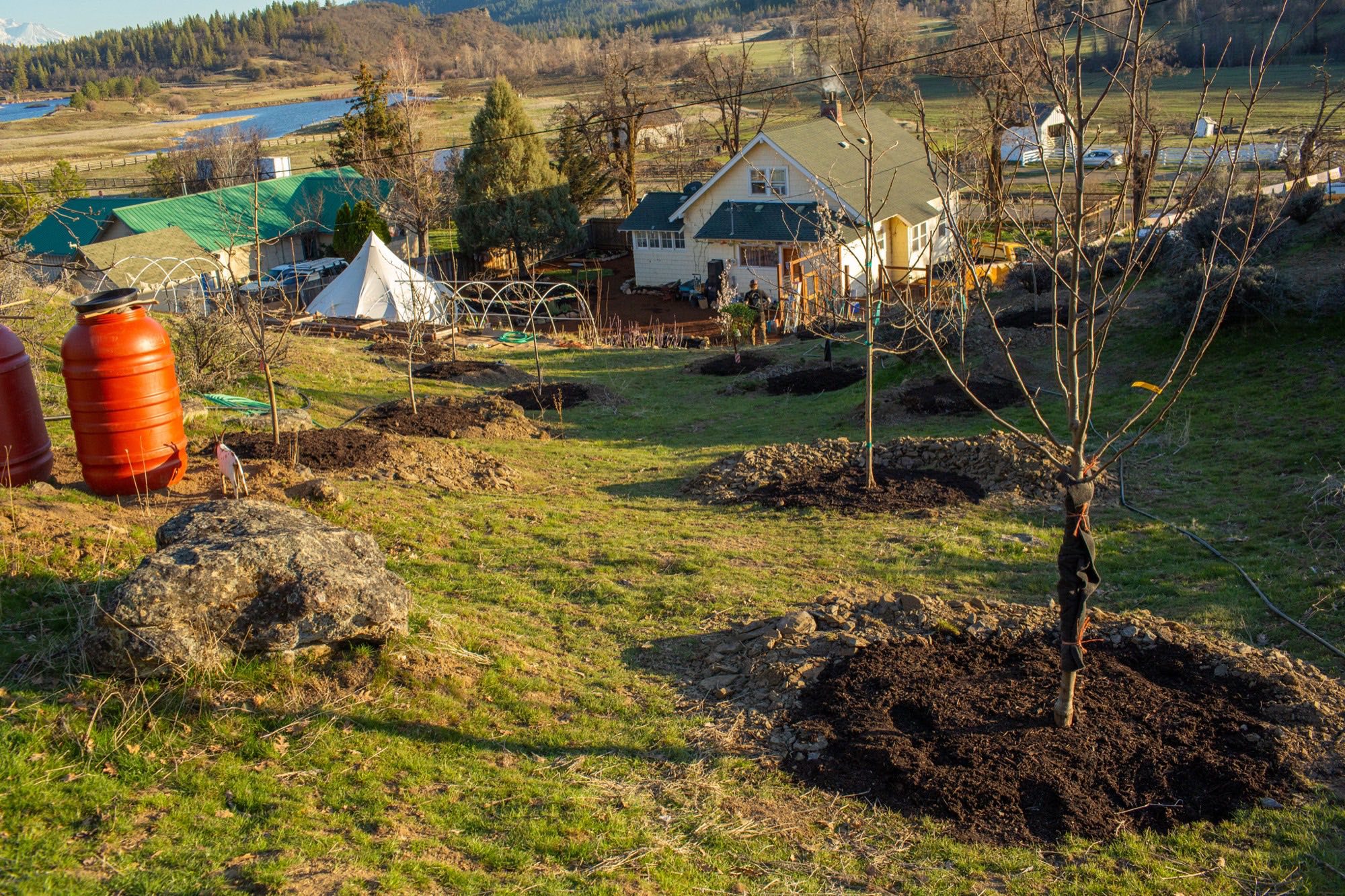
Still on the Shelf: Invasive Plants Connecticut Garden Centers Keep Selling
Some of the most damaging plants in Connecticut are still for sale at garden centers across the state — several already banned in Massachusetts and scheduled for a Connecticut ban. Here is what to avoid, why, and what to plant instead.
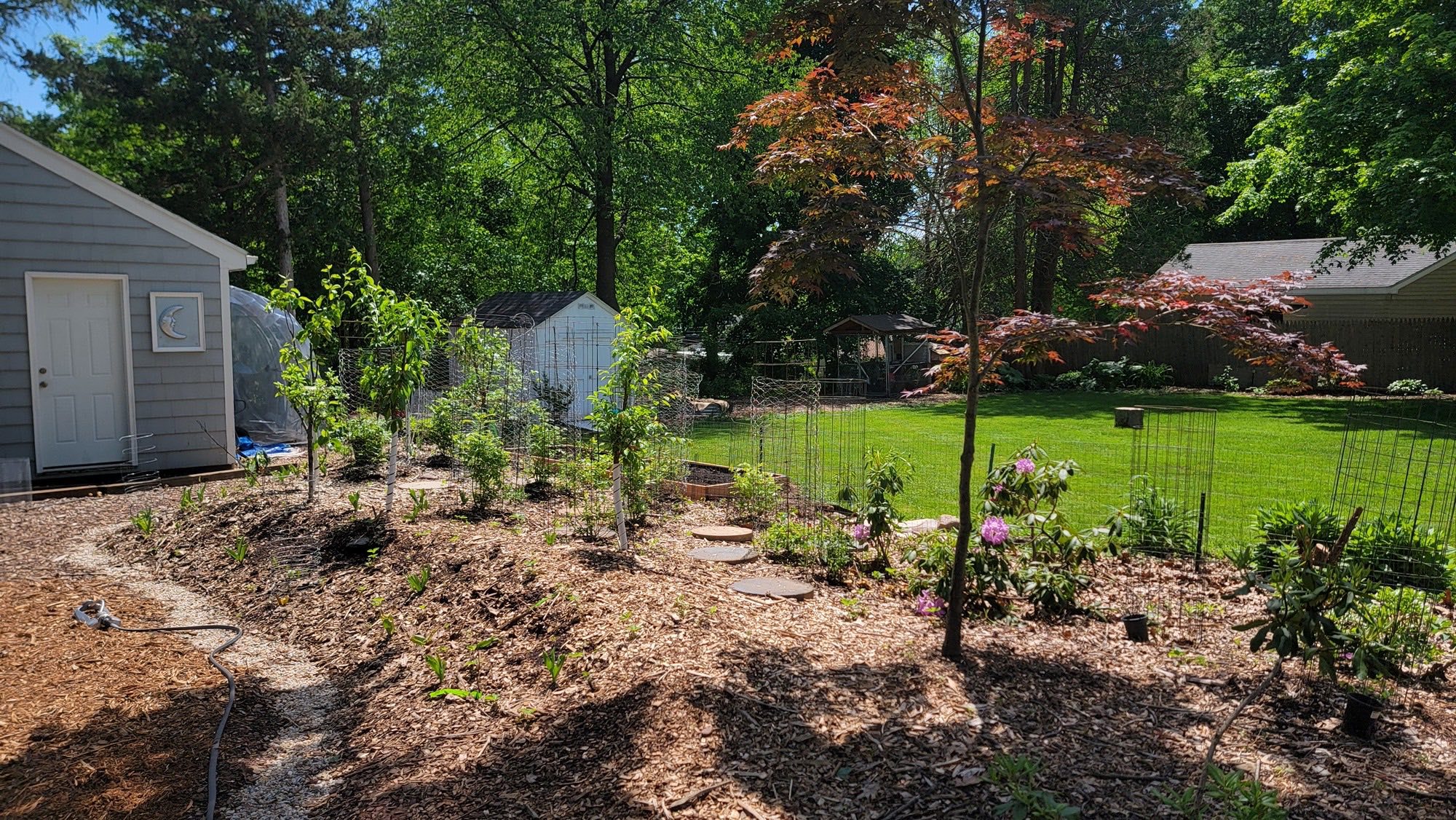
Why We Start Below Ground: The Case for Living Soil
Most landscape failures are soil failures in disguise. How soil testing, mineral balancing, and biology-first soil building set up everything planted above to thrive.
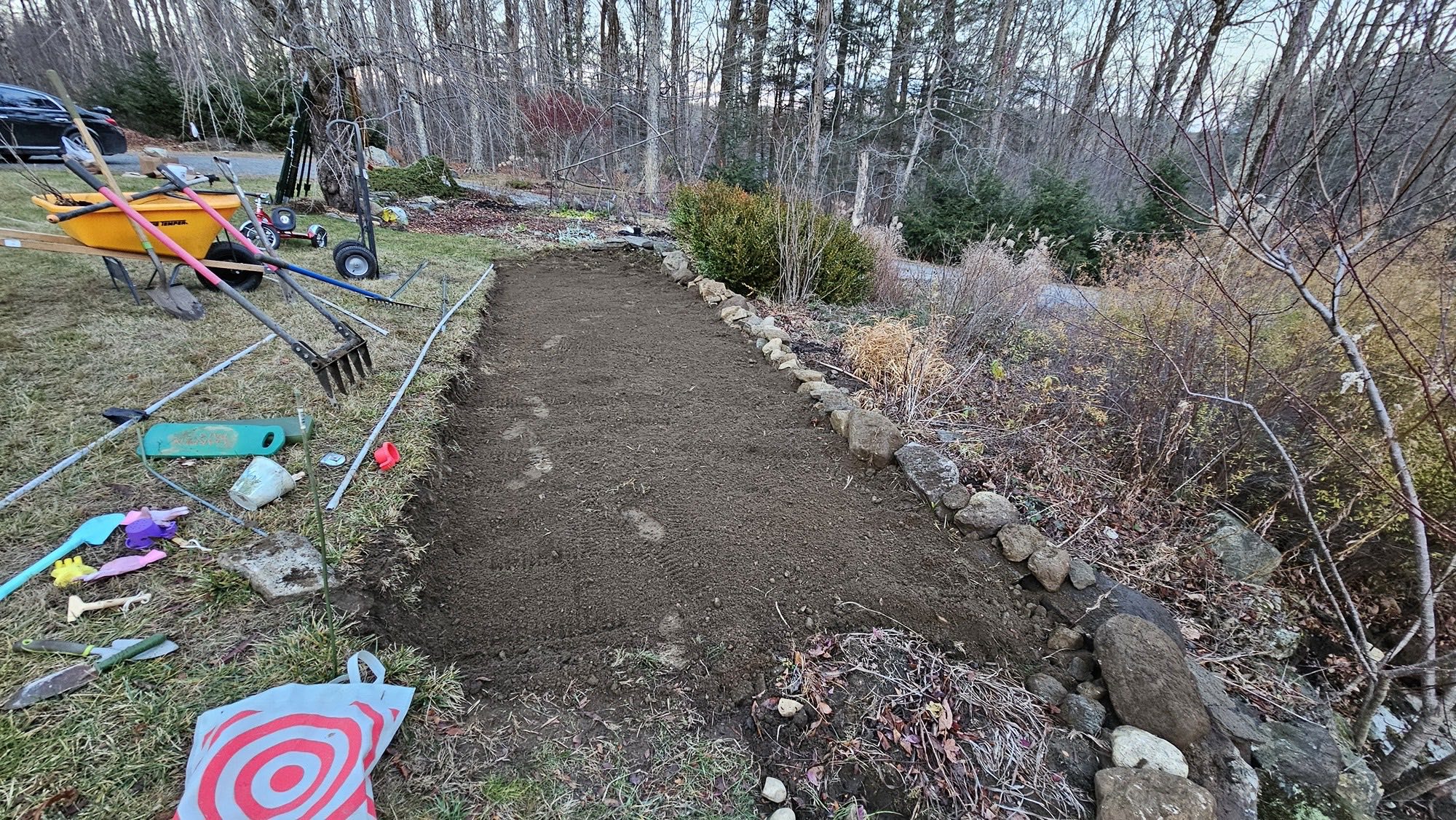
There Is No One Pollinator Garden (And That’s the Point)
Sun, shade, wet, dry, urban pocket or woodland edge — a pollinator garden succeeds when it’s designed for the conditions you actually have. A tour of twelve garden types.
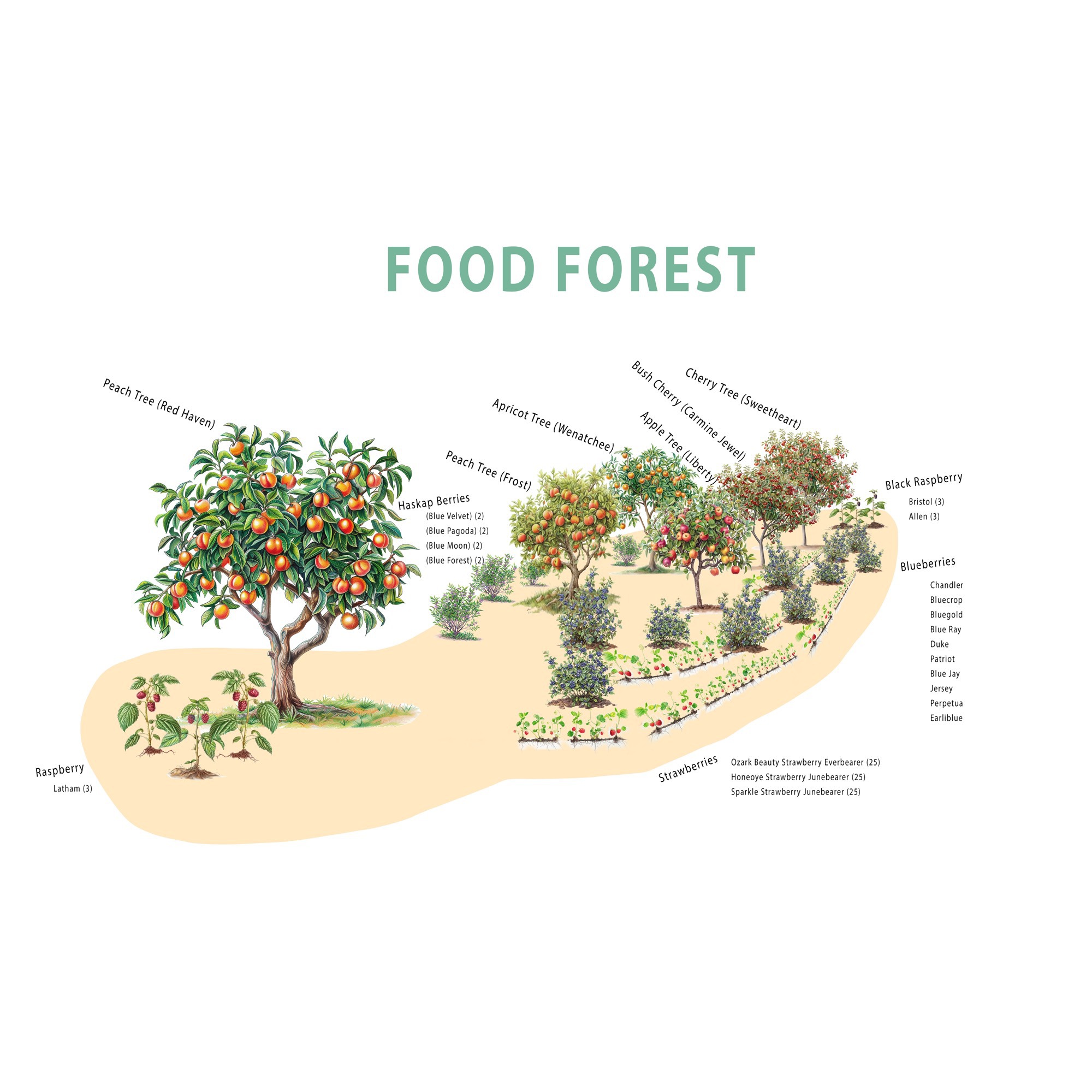
Why a Food Forest?
Food forests produce more abundance and diversity per square foot than any other growing system — with minimal inputs. Here’s why they work, and why Connecticut is a great place to grow one.
Reading is free. So is finding out if your project fits.
When you're ready to apply any of this to your own property, start with the fit form.